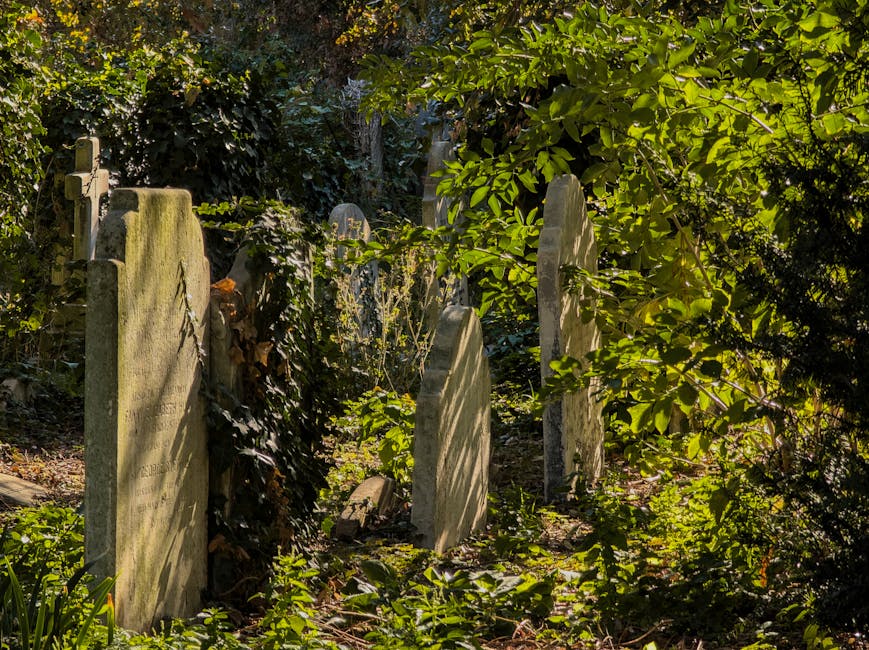
Local gardeners for Highgate Cemetery grounds maintenance
If you are responsible for looking after a cemetery, memorial garden, heritage burial ground, or a private site with similar standards, you already know this is not ordinary garden work. Local gardeners for Highgate Cemetery grounds maintenance need to balance presentation, safety, discretion, and consistency all at once. One week it is leaf fall and overgrown edges; the next it is seasonal pruning, path clearance, and making sure everything still feels calm, respectful, and well kept.
That mix of practical work and sensitive surroundings is exactly why choosing the right team matters. In a place like Highgate, the result should never look rushed or overdone. It should feel tidy, measured, and quietly cared for. This guide explains how the service works, what to expect, which tasks usually matter most, and how to choose a gardener who understands the setting rather than simply mowing through it. To be fair, that distinction is everything.
Whether you manage a small enclosed section, a larger cemetery landscape, or a grounds portfolio that includes paths, hedges, lawns, trees, and border planting, the goal is the same: stable, respectful maintenance that prevents small problems becoming expensive ones. If you need a broader view of services, it can help to start with the full service overview and then match the right work to the site.
Table of Contents
- Why Local gardeners for Highgate Cemetery grounds maintenance Matters
- How Local gardeners for Highgate Cemetery grounds maintenance Works
- Key Benefits and Practical Advantages
- Who This Is For and When It Makes Sense
- Step-by-Step Guidance
- Expert Tips for Better Results
- Common Mistakes to Avoid
- Tools, Resources and Recommendations
- Law, Compliance, Standards, or Best Practice
- Options, Methods, or Comparison Table
- Case Study or Real-World Example
- Practical Checklist
- Conclusion
- Frequently Asked Questions
Why Local gardeners for Highgate Cemetery grounds maintenance Matters
Cemetery grounds are not just green space. They are places where people grieve, remember, reflect, and visit loved ones at very specific moments in their lives. That changes the standard of care. The grass cannot simply be short; it needs to look neat without appearing harsh. The hedges cannot just be cut; they need to preserve sightlines, dignity, and the character of the site. And the whole area needs to feel safe to walk through, even after rain, leaf fall, or a windy spell.
Local gardeners are often better placed to understand these pressures because they work with the local climate, seasonal patterns, access issues, and the general pace of the area. In north London, weather can turn a well-kept lawn into a squelchy mess in a week, and a few neglected corners can quickly become a bigger job than expected. You notice it fast in cemetery settings, where visitors usually spot untidy edges, fallen branches, or invasive growth before anyone else does.
There is also a heritage aspect. Highgate is known for its atmosphere and historic associations, so grounds maintenance has to be careful and understated. A heavy-handed cut can feel out of place. A delayed clearance can make a site look unmonitored. The best approach is measured and consistent, with a routine that keeps everything in balance.
Expert summary: good cemetery grounds maintenance is not about making a site look "done" in a decorative sense. It is about quiet order, safe movement, and respectful presentation that lasts between visits.
That is why services such as garden maintenance, lawn mowing, hedge trimming, and tree lopping and removal often matter together rather than separately. A cemetery rarely needs one task. It usually needs a dependable rhythm of care.
How Local gardeners for Highgate Cemetery grounds maintenance Works
The process usually starts with a site visit or initial discussion. The gardener will want to understand access, the condition of lawns and planting, any fragile areas, the expected visitor flow, and whether the site has memorial stones, mature trees, boundary hedges, or sections that need extra caution. That first look is important. It tells you whether the team can read the space properly.
From there, the maintenance plan is typically built around recurring tasks. Think of it as a living schedule rather than a fixed one-off service. A cemetery may need more frequent lawn cuts in the growing season, leaf clearance in autumn, selective pruning at certain points in the year, and occasional garden clearance when an area has been left for too long. If there are overgrown paths or planting beds, the work may need to be staged so the site remains accessible throughout.
In practical terms, a normal service might include:
- lawn care and mowing to keep grass levels even
- hedge cutting for boundaries and internal screens
- weed control in paths, gravel edges, and border areas
- clearing leaves, twigs, and litter after bad weather
- light pruning and tidying of shrubs
- tree inspection, cutting back, or removal where needed
- seasonal planting or border refreshes if appropriate
Some sites also need more structural support. For example, if access routes are muddy or worn, or if seating and edging are deteriorating, a grounds team may advise broader landscaping work. In a few cases, a site may benefit from improvements such as new edging, resurfacing, or even low-impact features from landscaping or landscape gardening. That said, in cemetery settings the most valuable work is often the least visible. Quiet, careful, and regular. Nothing showy.
Good local gardeners will also talk about timing. Early morning visits can be less disruptive. Wet days may need lighter work. And if the grounds are visited by families, historians, or volunteers, the team should adjust their approach so machinery noise, cut debris, and blocked paths are kept to a minimum. It sounds obvious. Yet it is exactly the kind of thing that separates competent service from genuinely thoughtful service.
Key Benefits and Practical Advantages
There are practical reasons to use local gardeners for cemetery grounds care, but there are also emotional and reputational reasons. The two often overlap.
1. Better responsiveness
Local teams can usually get to site sooner, especially after storms, heavy leaf fall, or a sudden issue like a fallen branch. That matters when a cemetery needs a quick tidy before a busy visiting period.
2. Stronger site familiarity
When gardeners return to the same place regularly, they learn where water pools, which corners overgrow first, and which paths need the most attention. That familiarity saves time and improves consistency. You stop firefighting and start maintaining.
3. More respectful presentation
A cemetery should feel cared for, not overstated. Local gardeners who understand the setting are usually better at keeping work understated and appropriate. They are less likely to make the site look stripped or overmanaged.
4. Better seasonal planning
Seasonal changes hit cemetery grounds hard. Spring growth can feel relentless; autumn can bury paths in leaves; winter can expose structural issues. A local maintenance plan can follow the calendar in a way that makes sense for the actual site, not just for a generic garden.
5. Reduced long-term costs
Regular upkeep usually prevents expensive recovery work. Let grass get too long, and mowing becomes slower and messier. Let hedges go unchecked, and they become harder to shape cleanly later. Let trees develop problems, and the job becomes more urgent and more complicated. You get the picture.
If sustainability matters to your organisation or site, ask how cuttings, green waste, and material are handled. Responsible disposal and recycling should be part of the conversation, not an afterthought. A good team should be able to explain its approach clearly, including recycling and sustainability practices.
Who This Is For and When It Makes Sense
This service is for anyone responsible for the condition of cemetery grounds or similar sensitive landscapes. That might include site managers, trustees, caretakers, facilities coordinators, property managers, heritage teams, or organisations with a public-facing memorial space.
It also makes sense if you are dealing with one of these situations:
- the grounds look tidy after a cut, but quickly slip back into disorder
- visitors have raised concerns about overgrown paths or poor visibility
- tree limbs, hedges, or shrubs are beginning to dominate the space
- autumn leaf fall keeps overwhelming your current routine
- you need help after a period of neglect, staff change, or budget delay
- there is a need to bring the site back under control before an event or inspection
Sometimes the work is not urgent, just overdue. That happens more often than people admit. A site can look fine from a distance, but once you walk it, the list starts growing: uneven grass, mossy edges, weeds in the cracks, boundary hedges that have gone soft and shaggy, broken branches, stray litter, and patches that no longer feel cared for.
Not every site needs a full redesign. Some just need disciplined maintenance and a better routine. Others need a one-off reset through garden clearance before regular care can begin. The key is matching the service to the actual condition of the grounds, not to a hopeful description of them.
Step-by-Step Guidance
If you are planning grounds maintenance for a cemetery or memorial site, a clear process helps avoid wasted time and patchy results. Here is a practical way to approach it.
- Walk the site properly. Do not just glance at the entrance and assume the rest follows. Check paths, borders, fences, trees, edges, and the back corners where growth usually sneaks up.
- Separate urgent issues from routine tasks. Fallen branches, blocked paths, and trip hazards come first. Then deal with mowing, pruning, and general tidying.
- Agree the maintenance rhythm. Weekly, fortnightly, or seasonal visits may all make sense depending on the site. The right answer is the one that keeps standards steady.
- Set limits for sensitive areas. Memorial stones, older planting, and heritage features should be protected from careless strimming or aggressive trimming.
- Choose the right mix of services. A cemetery rarely needs mowing alone. Often it needs a combination of lawn care, hedge work, tree attention, and waste removal.
- Confirm access and working hours. This matters more than people think. If the site is visited regularly, the team should work around foot traffic and preserve dignity.
- Review the result after the first visit. Look at the site from a visitor's perspective, not only from a maintenance checklist.
A small but useful clarification: grounds maintenance is not the same as landscape transformation. Maintenance preserves and tidies what is already there. Landscaping changes the structure or layout. In cemetery work, the maintenance side usually matters most, with bigger changes used sparingly and only when genuinely needed.
If you want to see how these services fit together operationally, the garden maintenance and services overview pages can help you compare the scope of work before making decisions.
Expert Tips for Better Results
After enough site visits, you start to notice the same patterns. The places that stay best maintained are rarely the ones with the biggest one-off effort. They are the ones with sensible habits.
Keep the schedule realistic. A very ambitious plan that cannot be repeated is usually worse than a modest plan that runs all year. Consistency beats drama, every time.
Don't let hedges become walls. Once boundary planting gets too dense, pruning becomes more disruptive, and the site can lose natural light. A careful trim done regularly is much easier to live with than a major cutback later. For that reason, many sites benefit from specialist hedge trimming as part of the main maintenance cycle.
Watch the trees early. Trees are often the quiet risk in cemetery settings. They provide shape and shade, but they can also create leaf volume, root disruption, deadwood, and low-hanging branches. Small adjustments made early are usually safer than waiting for a problem. Not glamorous work, but it keeps people safe.
Use light, frequent tidying rather than heavy intervention. This is especially true in sacred or heritage spaces. Light touch work keeps the grounds natural while still orderly.
Match machinery to the site. A larger mower or cutter is not always better. Smaller, more controlled equipment can be more appropriate where movement is tight and surroundings are delicate.
Build in a weather buffer. One wet week can change everything. If possible, keep a little flexibility in your plan so the site can be cleared after storms or leaf drop without causing panic.
And here is the slightly unglamorous truth: if a team spends all its time explaining why something was hard, it may not be the right team. You want a provider that notices trouble before it spreads.
Common Mistakes to Avoid
Some mistakes are technical. Others are more about judgement. In cemetery grounds, both matter.
- Overcutting grass. Very short grass can look neat for a day and stressed for a week. It is rarely the best answer.
- Using a one-size-fits-all maintenance plan. What works for a suburban garden does not always work for a cemetery with historic features and visitor flow.
- Ignoring edging and path weeds. These small details create the impression that the whole site is uncared for, even when the main lawn is fine.
- Letting leaf clearance slide. Fallen leaves are not just messy. They can hide hazards, make paths slippery, and smother borders.
- Cutting hedges too late. Once growth has become unruly, the work gets harder and the finish usually looks harsher.
- Failing to check insurance and safety processes. This is not a box-ticking exercise. It is about reducing risk for visitors, staff, and contractors.
- Choosing price alone. Cheap work that damages planting, leaves debris behind, or misses hazards is not actually cheap.
There is also a quieter mistake: assuming the site can "cope" for another month. Often it cannot. Things creep. That is how grounds slip from tidy to tired without anybody noticing in real time.
Tools, Resources and Recommendations
The right tools matter, but so does the way they are used. Cemetery grounds tend to need careful, controlled equipment rather than brute force.
Useful equipment and resources often include:
- commercial mowers suited to the lawn type and access conditions
- hand tools for detailed edging and small-area work
- hedge trimmers for regular shaping and neat finishes
- leaf blowers or collection tools where safe and appropriate
- pruning tools for light tree and shrub work
- secure waste bags, bins, or collection systems for green waste
- site notes or maintenance logs to track recurring issues
For larger grounds, a contractor may also recommend a combination of services rather than a single task. For example, a tidy lawn may still look neglected if the boundary hedge is shaggy and the tree canopy is dropping deadwood. That is where coordinated work from lawn mowing, hedge trimming, and tree lopping and removal can make a real difference.
It can also help to keep practical paperwork together. Think access arrangements, maintenance dates, notes on sensitive areas, and confirmation of insurance and safety processes. If you are comparing providers, the pages on insurance and safety and health and safety policy are useful reference points for understanding how a responsible contractor frames risk.
Law, Compliance, Standards, or Best Practice
Any cemetery or burial ground work should be approached with care, and not just because it looks better that way. There are legal, safety, and operational expectations that sensible contractors normally follow, even if the exact requirements vary by site and arrangement.
At a practical level, you want a team that understands:
- safe working around visitors and memorials
- the need to avoid damage to stones, boundaries, and planted areas
- appropriate waste handling and disposal
- how to minimise disruption during working hours
- the importance of clear communication and record keeping
In the UK, site operators usually need to think carefully about health and safety, insurance, public access, and contractor responsibility. I would be cautious about anyone who brushes these topics aside. A good local gardener should be comfortable discussing the basics in plain English and should have policies that make sense for the work. For a more detailed look at company standards, it is worth reviewing the insurance and safety information, along with the health and safety policy.
Best practice also means respecting the character of the site. In a historic cemetery, that may mean preserving mature planting, avoiding over-ornamental changes, and handling clearance in phases rather than all at once. Small judgement calls matter. A lot.
Options, Methods, or Comparison Table
Not every site needs the same level of support. The table below gives a simple way to compare common approaches.
| Approach | Best for | Strengths | Limitations |
|---|---|---|---|
| Reactive call-out | Sudden issues, storm damage, urgent clear-ups | Fast response, good for one-off problems | Can feel patchy if used as the only approach |
| Routine maintenance | Most cemetery grounds and memorial spaces | Consistent presentation, fewer surprises, easier budgeting | Requires regular scheduling and follow-through |
| One-off restoration | Overgrown or neglected sites | Brings the site back to a manageable baseline | Needs ongoing maintenance after the reset |
| Combined maintenance and landscaping | Sites needing both upkeep and small improvements | Can solve structural and visual issues together | Needs clear planning to avoid unnecessary disruption |
In most cases, cemetery sites are best served by a routine maintenance model with occasional call-outs for weather or tree issues. If an area has been left too long, a one-off restoration first, then routine care after, is often the calmest route. Simple, really.
Case Study or Real-World Example
Picture a small Highgate memorial grounds section that has been kept passably tidy through winter but starts to slip in late spring. The grass grows unevenly because of shade and damp. Hedges begin to soften at the edges. A few narrow paths pick up weeds. After a windy week, twigs collect near the back boundary, and visitors begin stepping around a slightly muddy patch rather than through it.
The fix is not dramatic. A local maintenance team comes in early, clears the paths, trims the hedges lightly, restores the lawn, and checks the shaded corners where growth is slower and moss tends to linger. They do not strip the place back. They do not make it look like a municipal show garden. They just get the structure back under control.
A month later, the difference is subtle but obvious. The site feels calmer. Visitors move more naturally. The edges are cleaner. The place looks cared for without being fussed over. That is the sweet spot, honestly.
If the original problem had been left another two months, the work would likely have been heavier: deeper clearance, more intrusive cutting, more waste to remove, and greater cost. That is the real lesson. In grounds maintenance, quiet prevention wins.
Practical Checklist
Before you appoint local gardeners for cemetery grounds work, run through this checklist.
- Have the full site walked and assessed in person?
- Are the sensitive areas, memorial features, and access routes clearly identified?
- Is the maintenance schedule realistic for the season?
- Have you agreed what happens after storms, heavy leaf fall, or overgrowth?
- Does the provider offer the right mix of mowing, trimming, clearance, and tree care?
- Have insurance and safety arrangements been checked?
- Is green waste handling and recycling explained clearly?
- Are working hours suitable for visitor access?
- Will the team communicate any issues before they become problems?
- Do you have a review point after the first visit or first month?
A few of these seem obvious, but they are exactly the details that prevent headaches later. The best results usually come from simple clarity at the start. No drama. No guesswork.
Conclusion
Local gardeners for Highgate Cemetery grounds maintenance play a bigger role than many people first realise. They keep the site safe, calm, and respectful. They preserve the atmosphere visitors expect. They prevent small seasonal jobs from becoming major repair work. And, perhaps most importantly, they do it with the kind of restraint that sensitive places need.
If you are weighing up providers, focus on judgement as much as skill. Look for consistency, local awareness, a sensible maintenance plan, and a professional approach to safety and communication. The right team will make the grounds feel looked after without drawing attention to themselves. That is usually the sign you have got it right.
For more on the wider range of services, you can review the services overview, learn more about us, or explore pricing and quotes when you are ready to plan the next step.
Get a free quote today and see how much you can save.
Some places speak quietly. They deserve to be cared for quietly too.
Frequently Asked Questions
What do local gardeners for Highgate Cemetery grounds maintenance usually handle?
They usually take care of lawn mowing, hedge trimming, path and border tidying, leaf clearance, light pruning, and general upkeep. Depending on the site, they may also manage tree work or one-off clearance before routine maintenance begins.
How often should cemetery grounds be maintained?
It depends on growth, visitor traffic, and seasonal conditions, but most sites benefit from regular visits rather than occasional big clean-ups. Weekly or fortnightly attention is common for active grounds, with extra visits after storms or autumn leaf fall.
Is cemetery maintenance different from normal garden maintenance?
Yes. The work has to be more careful and respectful, and the presentation should suit a memorial setting. There is usually more focus on safety, access, and restraint, and less on decorative changes.
Can one team manage both routine upkeep and bigger clearance jobs?
Yes, and that is often the most practical approach. A team can clear an overgrown area first and then keep it under control with regular maintenance. That avoids the stop-start cycle that causes problems later.
What should I check before hiring a local gardener for a cemetery site?
Check their insurance, safety approach, experience with sensitive sites, communication style, and the types of maintenance they offer. It also helps to ask how they handle waste, access, and seasonal changes.
Do cemetery grounds need tree work as part of maintenance?
Often they do. Trees can create deadwood, shading issues, leaf buildup, and safety concerns over time. Light tree care or removal may be needed occasionally, especially if branches are affecting paths or memorial areas.
What is the difference between maintenance and landscaping?
Maintenance keeps the site tidy and functioning as it is. Landscaping makes structural or visual changes, such as altering borders, improving layout, or reshaping an area. In cemetery settings, maintenance is usually the main priority.
How do local gardeners keep work respectful in a cemetery?
They work with care, avoid unnecessary disturbance, use suitable equipment, and schedule tasks to reduce disruption for visitors. A respectful approach usually means quiet, steady, and unobtrusive work rather than loud or heavy-handed intervention.
What if the grounds have been neglected for a while?
Then the first step is usually a proper clearance or restoration visit, followed by a regular maintenance plan. It is better to reset the site in stages than to try to do everything in one rushed pass.
Are sustainability and waste handling important for cemetery grounds care?
Yes, they are. Green waste should be managed responsibly, and it is sensible to ask how cuttings and debris are reused or recycled where possible. That is part of proper stewardship, not just a nice extra.
How do I know if a maintenance plan is realistic?
A realistic plan should match the site's growth rate, visitor needs, budget, and seasonality. If the schedule sounds impressive but impossible to keep up, it probably is. Simple plans that are followed consistently tend to work best.
Can local gardeners help with emergency weather damage?
Yes, many can respond after storms, heavy winds, or sudden branch fall. Quick action is useful for clearing hazards and restoring access, especially in grounds that receive regular visitors.